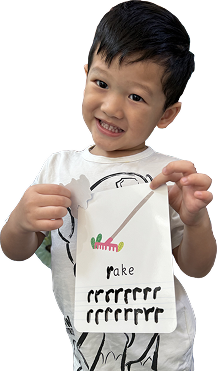
Phonics classes that get kids reading on their own
Reading, speaking and writing, taught together, one small step at a time. Never more than six in a class, so every child gets heard, helped and cheered on.

Sound familiar?
Do any of these sound like your child?
The Phonics Triathlon
A triathlon has three parts, and so does learning English. Every level trains your child in all three, so no skill gets left behind.
Reading
From blending sounds into words, to reading clearly, to reading with feeling: the right pitch, tone and pauses.
Speaking
Knowing every letter and its sound, saying sounds clearly in words, and using those sounds to work out spelling.
Writing
From forming letters properly, to building sentences with correct grammar, punctuation and spelling.
From first letters to first stories
Three levels of 24 lessons each, and your child moves up when they’re ready. Not sure where to start? The assessment will show us.

Beginner
✓ Knows every letter by name and by sound
✓ Forms each letter the right way
✓ Says sounds clearly inside a word
Intermediate
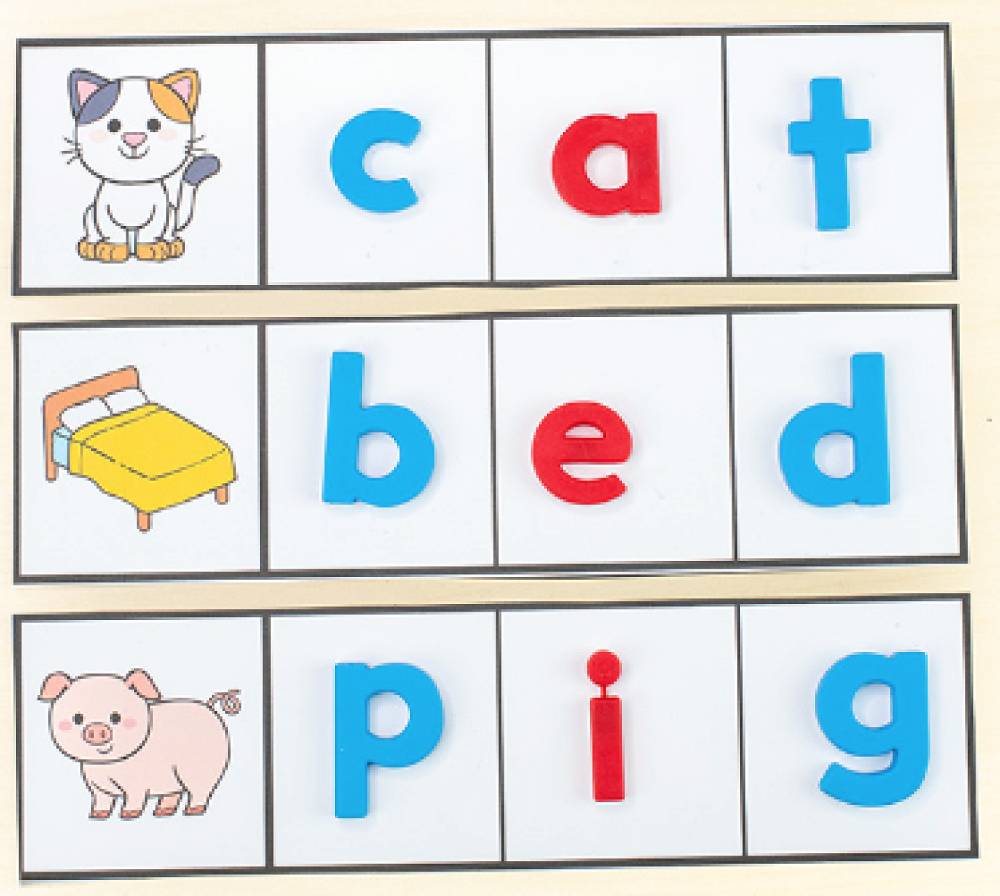
✓ Blends sounds together to read new words
✓ Uses sounds to spell words
✓ Reads aloud clearly, with the right pronunciation
✓ Writes sentences with correct grammar, punctuation and spelling

Advanced
✓ Reads spelling patterns like ai, ay and a_e
✓ Builds sentences from words, sight words and pictures
✓ Reads with expression: pitch, tone and pauses
✓ Reads short stories and answers questions
Inside a phonics lesson
Every lesson has one sound pattern and one sight word to master, then eight short activities. Little ones never sit still for long.
Listen and say
Sounds out loud, with letters and pictures to match.
New pattern
Today’s focus, like “ai” and “ay”: two letters, one sound.
Quick review
Going back over patterns from earlier lessons.
Read words
Sound boxes: tap each sound with a finger, then read the word.
Word bank
New words and what they mean, so reading makes sense.
Read sentences
Real sentences, and spotting the sight word of the day.
Story time
A short story, then questions about what happened.
Write
Trace it, write it, then build a sentence with capitals, spaces and a full stop.
After class, the teacher tells you how it went and what to practise at home.
What every Escapade class includes
Max 6 kids
Every child gets noticed, every lesson.
Feedback after class
You’ll know what was covered and what to practise.
Missed a class?
We reschedule. Credits aren’t lost for sick days or holidays.
Progress you can see
Weekly tracking and regular progress chats.
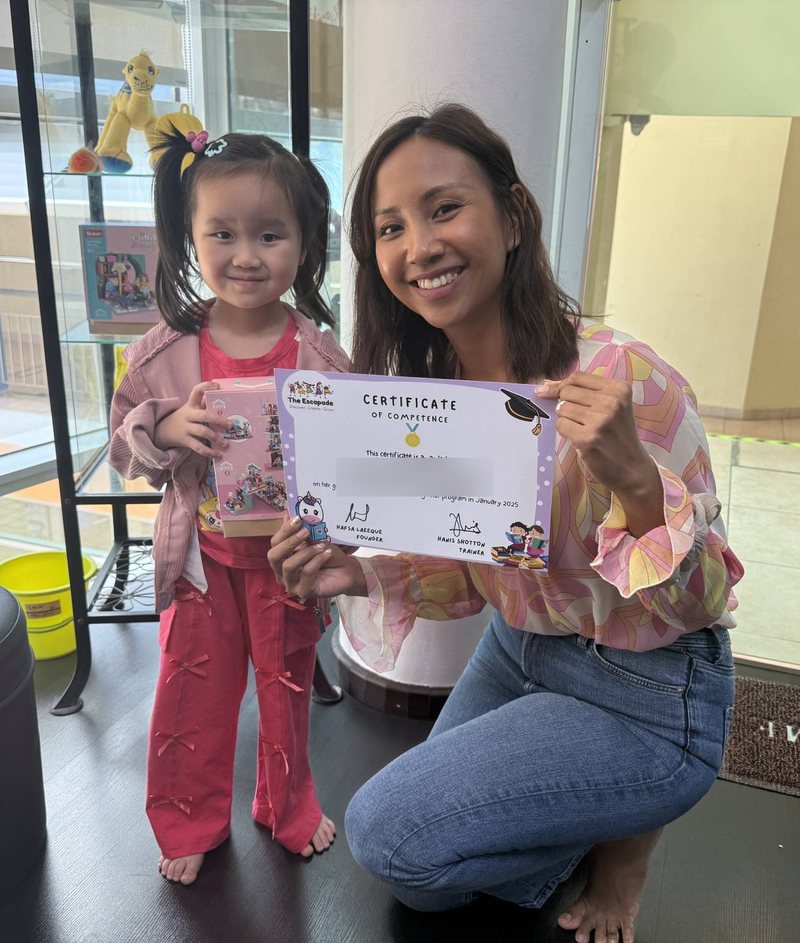
Patient teachers who know your child
Small children read best when they feel safe to get it wrong. In a class of six, our teachers know who needs one more try, who needs a challenge and who just needs a high five. Parents tell us it’s the patience that makes the difference.
Phonics parents say
“Since enrolling in the phonics lessons, I have seen clear and encouraging progress in my son’s reading ability. He has become more confident and is now able to read words independently.”
“My son’s phonics abilities have really improved in a short period of time. He looks forward to class with excitement, and Teacher Jay always keeps us informed about his development.”
“We’ve noticed improvement in my daughter’s writing and her recognition of letter sounds. They always provide feedback after classes. Thank you for your supportive teaching.”
Questions parents ask
What age is phonics for?
N1 to P1. We group children by what they can do, so every child starts at the right point.
How long and how often are classes?
Once a week, for 1.5 hours. Each lesson builds on the last, and we keep track of how your child is getting on.
How long does each level take?
Each level has 24 lessons. At one class a week that’s about six months, and your child moves up when they’re ready.
Are classes always in a group?
Most children learn in a small group of up to six. If the teacher feels your child would do better 1-to-1, we’ll talk to you about it.
How will I know my child is improving?
The teacher gives you feedback after every class, and we track progress every week against your child’s own goals.
Are the teachers qualified?
Yes. Our teachers are trained in literacy education and work with young readers every day.
Will this help my child get ready for P1?
Yes. We work on reading, writing, speaking and listening, in line with the MOE curriculum, so P1 feels familiar rather than scary.
What happens at the assessment?
Your child spends 30 minutes 1-to-1 with a teacher, covering phonics, reading and writing. Then the teacher talks you through their strengths, what to work on and the right level to start at. About an hour in total.
What if we miss a class?
Life happens with little ones. If your child is sick or you’re away, we reschedule, and class credits aren’t deducted.
Let’s find your child’s starting point
A 30-minute 1-to-1 assessment, then a chat with the teacher about strengths and the right level. You’ll take home a report with clear next steps. About an hour, no pressure to enrol.